


 |
|
Lino Block Prints - Making Linoleum Block Prints |
|
|
Would you like to make your own rubber stamps? |
|
|
||||||||||||||||||||||||||||||

|
|
||||||||||||||||||||||||||||||||||||||||||||||||||||||||||||||||||||||||||||||||||||||||||||||||||||||||||||||||||||||||||||||||||


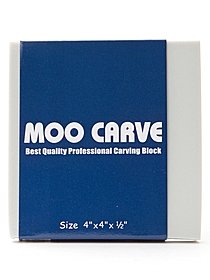

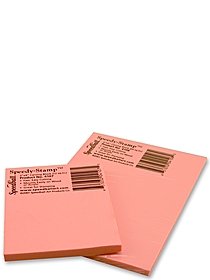
|
|
|
Important for carving safety: Always use sharp (rather than dull) tools (they come with a small sharpening stone). Always carve away from you. To make the linoleum a bit softer, you can warm it briefly on a coffee pot warmer. Don't let it melt! |
|
|
||||||||||||||||||||||||||||||||


|
|
|
There's much more you can learn about making linoleum block prints. There's inks, paints and special beautifully textured papers if you want to go all out. The fibers of a Japanese rice paper can add beautiful elegance to a print. Or recycled paper with little wood pulp bits sprinkled within the paper fibers with an earthtone colored ink, can add a rustic flavor. You can also just use a stamp pad (if it is big enough for your block). With printmaking, you can also get a brayer. It is a hard rubber tool to roll ink smoothly and evenly onto the block. (Sort of like a paint roller for inks) I have one but have rarely used it because I am still learning about inks. So, mostly I use markers and acrylic paints and paint bumpy right onto the block (with a stiff brush- careful not to get into the indents). Then I stamp away: on scrapbooks, cards, in journals, ...it's endless. You can make original business cards or make a special signature stamp logo to sign your paintings. The wonderful thing is that no two block prints are ever the same. While you are carving, it's exciting anticipating how the first print will come out. You can make a quick personalized gift for someone by making a stamp of their name. Just make sure you write it backwards, so when you stamp it, it can be read. I learned this mistake the hard way. (But you could always say, it's their name in code and they have to look at it in the mirror?! |
|
|
|
|
|||||||||||||||||||||||||||||||||||||||||||||||||||||||||||||||||||||||||||||||||||||||||||||||||||||||||||||||||||||||||||||||||||||||||||||||||||||||||||||


|
|
|
|
|
|
|
|
|
|
|
E MAIL HERE for permission to use any of these copyrighted images- THANK YOU!!! |
|
|
|
|
|
This web site is © Lilly Fluger 2006-2021. All rights reserved. |
|||
|
|
|||